
The Planned Blind Date: Why It Works Better Than Dread
Blind dates get a bad rep because of the planning, not the person. Here's why a planned blind date with the time and place set lowers the dread.
12 min read

Let's be real: the phrase "blind date" probably makes you cringe a little. It brings to mind awkward small talk, a stranger who looks nothing like their photos, and that pit in your stomach before you even leave your dorm.
But here's the thing: the dread you feel isn't really about the stranger. It's about everything around the stranger. Where are we going? Who picks the spot? When are we both actually free? That back-and-forth is exhausting, and it's a big reason blind dates get such a bad reputation.
Enter the planned blind date. Ditto's model is basically a blind date with the logistics already solved: one match a week, verified students, and zero "so... where should we go?" spiral. Removing the planning removes most of the pre-date dread, which means you show up as yourself instead of as a planner.
In this post, we'll dig into the worst part of a blind date, why blind dating got a bad rep in the first place, where first-date anxiety actually comes from, and the hidden "logistics tax" of picking a time and place. We'll also cover how Ditto runs a planned blind date on campus, whether one match a week limits your options, how verified students change the safety conversation, and how to show up as yourself. Let's get into it.
The Worst Part of a Blind Date Isn't the Stranger
When someone says they're nervous about a blind date, they almost never mean the person. They mean everything orbiting the person. Where are we going? Who picks? Who texts first? How long do I stay?
Turns out that dread is universal. Pew's 2020 research found about 30% of U.S. adults have used a dating site or app, and nearly half say dating has gotten harder for most people over the last 10 years.
On campus, the ratio gets weird. The date runs maybe 90 minutes. The planning can eat a week of group chat, screenshots, and "idk what do you wanna do?" loops. That imbalance, not the stranger, is what makes people want to cancel. And planning a first date in college is harder than finding someone to go with, which is why so many setups die before they happen.
Here's the argument: a blind date where the time and place are already decided deletes the planning layer. Delete it, and you show up differently.
To be clear, this is a case for the planned blind date, not a law of dating. No source proves a preset plan works every time. It's a bet worth testing.
Stick around. By the end you'll know what a blind date actually is, why logistics carry most of the anxiety, and what one version of blind dating actually fixes.
What a Blind Date Actually Is, and Why Blind Dating Got a Bad Rep
A blind date is simple: two people who have never met, set up on purpose by a third party. That used to be a friend's cousin or your roommate's lab partner. Now it's often an app.
The format blurred into online dating as sites and apps went mainstream. Pew's 2013 research found 59% of internet users agreed online dating was a good way to meet people, up from 44% in 2005. And 66% of online daters had gone on a date with someone they met through a site or app, up from 43%.
Fair warning: most big national numbers like these come from 2013 to 2020. Treat them as direction, not a 2026 snapshot of how college students date.
So why the bad rep? Trace the awkwardness back and it's rarely the stranger. It's vague plans, mismatched expectations, or one person doing all the work. Same reason double dates are the lowest-pressure way to date: structure takes pressure off a first meeting.
The bigger shift is who plays third party. An algorithm or service now handles logistics and preferences, which it can do well. Chemistry is still on you two.
Where First-Date Anxiety Actually Comes From
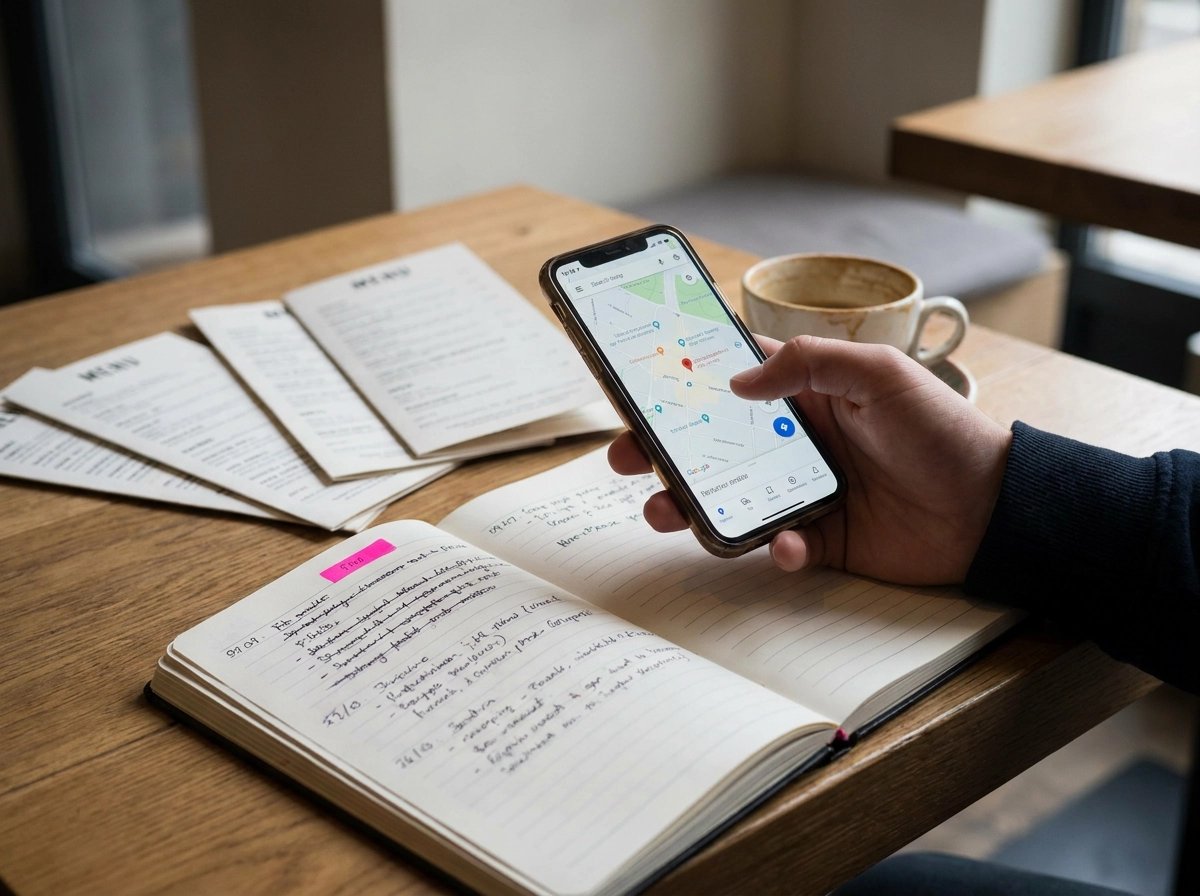
Here's the thing: two kinds of uncertainty run a blind date. One is about the person, and that's kind of the point. The other is about the plan, and it's completely avoidable. Most nerves come from the second pile.
Choice overload makes it worse. In Pew's 2013 research, 32% agreed online dating keeps people from settling down because they always have options. Too many possible matches feels paralyzing, and so do too many possible plans.
Then there's the hidden rejection tax. Locking in a day, a time, and a place means several asks, and every ask is a tiny chance to get turned down before you've even met. That wears people down.
Anxiety also changes how you show up. You've seen it: rehearsed texts, outfit spirals, performing a polished "date version" of yourself. That's performance, not conversation, and it leaves no room for questions that surface shared values on a date or just talking.
The fix is to shrink what you can control. With the time and place handled, the only unknown left is whether you actually vibe. That's the one unknown worth showing up for.
The Logistics Tax: Why 'Where Should We Go?' Is the Real Dread
You've handled the stranger part. Here's where the next week actually disappears.
Negotiating a plan runs something like: four to six messages to land a day, three or four more to land a time, then a venue debate covering noise, price, parking, and whether the place looks too obviously like a date spot. Every one of those messages is a chance to misread tone. A short reply sounds like disinterest. A long one sounds too eager. Nobody meant either. Research on texting after a first date shows that timing alone gets read as a signal, which is a lot of weight for a scheduling text.
Campus makes it worse. Dining halls, the coffee shop everyone uses, one bar near campus, plus mismatched budgets and schedules. Picking a spot becomes a small logistics project with social stakes attached.
Then the imbalance: one person ends up planning, and the other becomes a guest at their own date.
Hypothesis worth testing: the where-and-when negotiation, not the stranger, is where most pre-date dread lives. Remove it and saying yes gets easier. That's the logic behind campus matchmaking, which swaps a browsing queue for one verified match and a date that's already planned.
The Planned Blind Date: Logistics Solved, Chemistry Untouched
So if the negotiation is the tax, here's the version that skips it. A planned blind date means someone else picks the match, sets the time, and sets the place. You negotiate nothing. You just show up as yourself.
What stays intact: the surprise of meeting someone new, the actual conversation, the possibility that it goes well. None of that ever depended on you booking a table.
What gets deleted: the group chat debate, the venue spiral, the "so are we still on?" text, and the two hours of overthinking whether the plan is still a plan. That's a lot of dread gone before you've left your dorm.
That's the reframe. A fixed time and place makes the date feel like an event, not an open-ended maybe. A set plan is easier to say yes to and easier to actually attend. It's the same reason campus matchmaking beats swiping: less browsing, more showing up.
Honest limit, one more time. Solved logistics get you to the table. They can't manufacture a connection. Chemistry stays the wildcard, and that's fine.
How Ditto Runs a Planned Blind Date on Campus
So how does a planned blind date actually work in practice? Ditto is a matchmaking app built for college students, and it runs like a personalized friend who sets up real dates on campus. The match isn't a photo dump: Ditto pairs verified students from your own campus using their values and preferences, so the setup is aiming at more than looks.
Then comes the part this whole piece is about. Every Wednesday at 7 PM, you get one curated match, plus a date plan with the time, the place, and the match details. No "idk, what do you wanna do?" spiral.
That weekly rhythm is the whole point. It swaps an endless feed and an unplanned maybe for one concrete thing to show up for. And once date one is handled, where to go on date two becomes a fun question instead of a logistics tax.
Honest caveat: Ditto can't promise chemistry or a second date, and no app can. What it deletes is the planning debt.
Does One Match a Week Limit Your Options?
Fair pushback first: less choice can feel like less control. If you like browsing, one match a week might feel slow, even risky.
That worry isn't fringe. In Pew's 2013 survey, 32% agreed online dating keeps people from settling down because there's always another option. That's a snapshot of an attitude from over a decade ago, not proof abundance hurts anyone. Still, it hints that more options don't automatically feel like more freedom.
Here's the distinction: a curated match with a set plan is a date. A feed is a queue. Queues are great if browsing is the point. How AI matchmaking picks your one match every week works the opposite way: one match, one plan.
Where the trade-off really bites: if your fun comes from swiping and keeping options warm, a weekly match will feel restrictive. That's a legitimate preference.
So treat this as a bet, not a rule. The bet is that one real date beats ten open conversations. You don't have to agree, but it's worth knowing what you're choosing between.
Verified Students, Safety, and Campus Blind Dating
So yes, less choice is a trade-off. But there's a bigger question sitting underneath it: who's actually on the other end of the date?
Pew's 2020 research found that many online dating users, especially younger women, have been harassed or sent explicit messages, and a majority of women reported harassing behavior from someone they had dated. That's the backdrop blind dating inherits.
Verification helps narrow one specific problem: the "who is this stranger" question the whole format is built on. Knowing your match is a real, verified student on your own campus is genuinely useful context, and it's part of why campus-only matching changes the equation.
It is not a shield, though. No data shows verification eliminates harassment or predicts a good date. Call it one layer.
The habits still matter: meet somewhere public, tell a roommate where you're going and when, keep it campus-adjacent, and trust your read if something feels off. A planned date with a set place in a familiar area makes all of those calls easier than a vague plan that keeps moving.

How to Show Up as Yourself Instead of as the Planner
Once the safety boxes are checked and the plan is already on your calendar, the only job left is showing up. That's the whole point.
Without a time-and-place negotiation eating your week, all that mental space goes into being present. Same brain, fewer tabs open.
Prep lightly. Have one or two things you actually want to talk about, not an interview script. Curiosity lands way better than a checklist of questions you're quietly reading off in your head.
Let the preset plan hold the structure too. You're not managing the vibe of a venue you chose, or wondering whether the lighting says romantic or study session. Just talk.
And use the built-in exit. A date with a defined shape makes it easier to wrap up warmly if it isn't a match. No "how do I get out of this" spiral required.
Last thing: some uncertainty about the person is normal. Healthy, even. The goal was never zero nerves. It was nerves about the person, not about parking.
What to Take Away
So here's the whole thing in one breath: the fear around blind dating is usually about logistics, not the stranger. That's the exact part a planned blind date can fix.
The data is context, not proof. About 30% of U.S. adults have used a dating app, nearly half say dating has gotten harder, and 32% in Pew's 2013 data blamed constant options for keeping people from settling down. Good backdrop, not a guarantee.
Which is why you take the bet seriously, but not literally. One Wednesday match with a preset time and place beats an open-ended maybe. It's still a bet, not a guarantee.
The only real test is trying it once. Show up to a planned date and see whether fewer decisions make you more yourself. You can't judge it from the couch.
And keep the habits: verified or not, meet in public, tell someone your plan. Then let the date's shape do the work, so all you have to do is talk.
Conclusion
The dread around blind dates usually isn't about the stranger. It's about the logistics: where to go, when, how to leave. A planned blind date flips that. Ditto handles the time and place, keeps chemistry untouched, and gives the date a shape that makes a warm exit easy if it's not a match. You still get normal nerves, just about the person instead of parking.
The data is context, not a promise. The real test is trying it once. So next step: open Ditto, check your one match a week, and say yes to one planned date on campus. Meet in public, tell a friend your plan, then let the structure do the work. Show up as yourself. Curiosity beats a checklist every time.